
Midwestern winters can be particularly unforgiving. While vehicle wraps are durable and made to last, they are not invincible – so it's important to understand proper winter wrap maintenance to keep your fleet protected and looking its best.
Following a few basic steps – like keeping the vehicle clean with hand washes or touchless washes, avoiding harsh chemicals and waxes, and assessing and repairing damage as soon as it's noticed – keeps your fleet wraps looking good for years to come, and repair costs to a minimum.
Yes, winter weather can absolutely damage a vehicle wrap if you do not protect the wrap properly or are not keeping the wrap clean – especially from road salt, brine, snow, and ice.
When temperatures outside plunge, vehicle wraps exposed to the weather can begin to lose their elasticity – causing them to become brittle and more prone to cracking.
UV rays don't disappear once summer is over. Even when temperatures are low, prolonged sun exposure can cause wraps to fade over time.
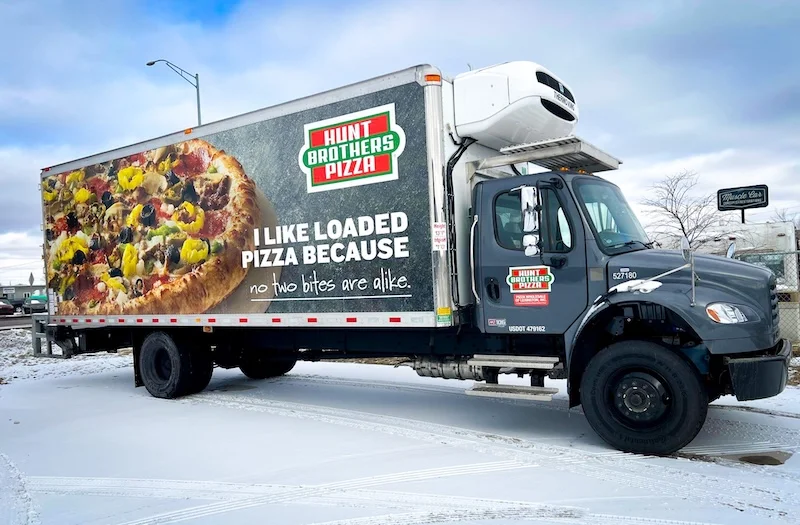
While road salt and brine are great for helping clear roads and sidewalks, they can leave behind mineral residues on your wrap and degrade your wrap's adhesive over time.
It's important that you are routinely rinsing the wrap, when temperatures are above 32°F, so those substances aren't causing damage to your wrap. Avoid using any rough scrubbing or abrasive materials to prevent scratching or lifting the wrap.
You should routinely wash your vehicle's wrap every 1-2 weeks in winter, but only when temperatures are above 32°F. The right frequency depends on how often the vehicle is driven and how much salt, snow, and dirt it sees. Washing below the freezing point can cause water to freeze in seams and edges.
Ideally, you'd want to wash vehicle wraps by hand for the gentlest washing experience – but that's not a feasible routine for many fleets. If you can't hand wash, try finding a touchless car wash. Avoid car washes with automatic brushes that can cause high friction and lifting to the vehicle wrap.
You want to avoid any harsh chemicals and cleaners. If buying a product marketed for cleaning vehicle wraps, be sure to read the ingredients. Steer clear of anything with ingredients like ammonia, acetone, or oil-based cleaners. When in doubt – mild soap and warm water will do the trick.
For hard-to-clean areas, allow the soap and warm water to sit for a few minutes before trying to gently clean the area. For year-round care, see our vehicle wrap maintenance tips.
Pressure washing isn't recommended as a first line of defense, but if you have to, these steps can reduce the risk of damage.
| Do | Don't |
|---|---|
| Keep water temperature between 67°F-77°F | Spray near edges and seams |
| Use a 40° wide spray nozzle opening | Use water pressure greater than 800 PSI |
| Keep the spray nozzle at least 15" from the graphic's surface | Spray the surface head-on |
| Spray at a 45° angle | Spray any existing lifting or damage to the wrap |
When removing ice and snow, you want to avoid using hard plastic or metal scrapers.
Preheat the vehicle when possible before attempting to remove ice to allow the ice and snow to soften and melt.
A soft-bristled brush or rubber squeegee can help get those last stubborn bits of ice and snow off without causing scratches or lifting to the wrap itself.
No. De-icer is full of those chemicals you should avoid, and hot water can cause temperature stress to the wrap, leading to peeling, lifting, bubbling, etc.
We know the shortcuts are tempting when you're trying to keep on a schedule, but proper wrap maintenance ensures your business truly gets the most out of its investment, and helps protect your warranty.
Keeping your vehicle in a covered, dry space protected from the elements gives your wrap the best shot at a long lifespan.
If a garage or indoor storage area is unavailable, finding a shaded or covered area can help shield your wrap from inclement weather and UV rays.
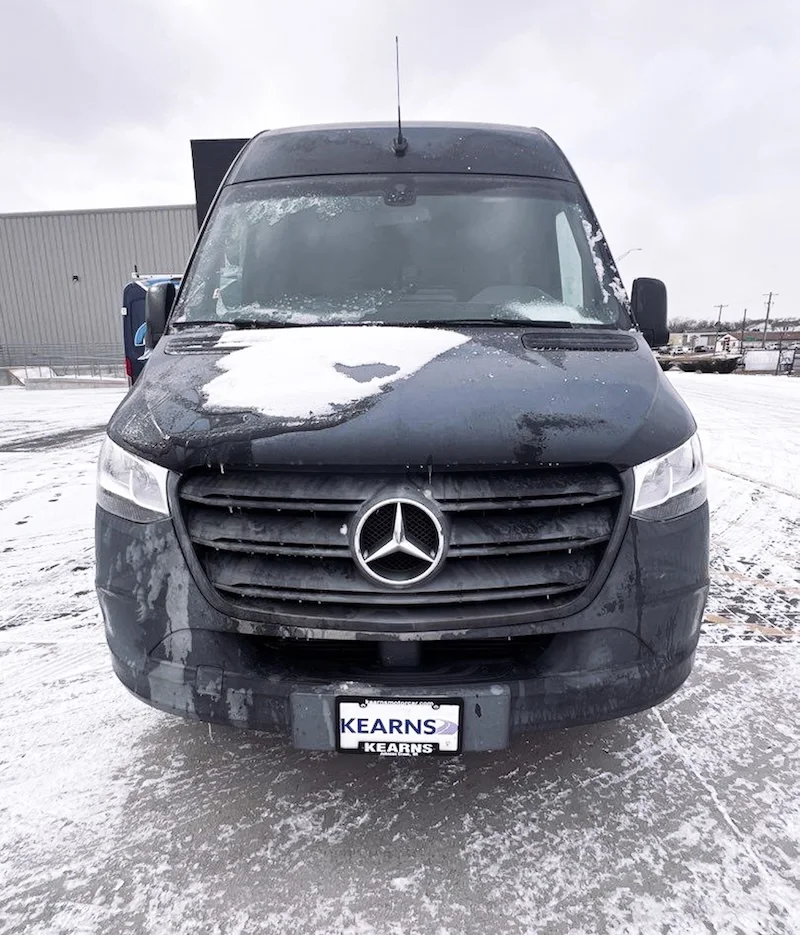
You should perform a quick walk-around inspection of your wrapped vehicle often, looking out for any lifting, peeling, bubbling, or cracking.
As soon as you notice damage – reach out to your installer, or contact Revolution Wraps for an assessment. We'll evaluate the damage, determine the probable cause and advise how to prevent further damage, and let you know if the damage is covered under warranty or provide you with an estimate for repairs.
Waiting too long to repair damage to the wrap can cause the issue to get worse with time, resulting in higher repair costs down the road.
Oftentimes, individual panels can be replaced to fix damaged areas versus replacing the entire wrap. Learn more in our guide to panel vs. full wrap replacement.
Whether you need a wrap refreshed before winter or a new fleet wrapped, we can help! At Revolution Wraps, we're a team of real people that care about your results and will pick up the phone when you have questions. We don't believe in hiding behind automations and busy lines.
We're here for the long haul, from fitting a wrap into your budget to answering questions, solving problems, and helping you grow your fleet.
Commercial financing is now available for:
Get noticed now, pay over time. Apply for commercial financing today, and let's get started on that next project you've been thinking up.
Can I wash my vehicle wrap with a pressure washer?
We do not recommend using a pressure washer to clean your vehicle wrap. For best results, you should hand wash with mild soap and warm water, or use a touchless car wash.
Can UV rays fade my vehicle wrap in the winter?
Yes – even in winter months UV rays are still present and can cause fading to your vehicle's wrap if not protected.
What is the best spot for a parked, wrapped vehicle in the winter?
A garage or covered area is going to provide the best protection for a wrapped vehicle when not in use. The coverage helps block inclement weather from reaching the wrap and causing peeling, bubbling, or lifting.
Should you use wax or ceramic coating on a vehicle wrap?
While ceramic coating can be a great add-on option for an additional layer of protection when you're having your wrap installed, you should avoid putting waxes over top of a vehicle wrap. Some waxes contain solvents that can damage the vinyl or adhesive and leave a streaky or dull finish.
What should I do if I notice damage to my vehicle's wrap?
Reach out to your installer immediately – don't wait. Small damage can turn into costly larger repairs if it is not repaired quickly.
Is financing available for fleet vehicle wraps?
Yes! We now offer commercial financing options from $1,000-$25,000 for first-time applicants.
Apply for commercial financing today. Commercial financing is provided by TimePayment and subject to approval and financing terms.
We locally-serve Nebraska, Iowa, and Missouri, but we install high-quality graphics all across the country, no matter where.
Omaha
Papillion
La Vista
Bellevue
Elkhorn
Bennington
Lincoln
Nebraska City
Grand Island
Kearney
Kansas City


© Red Barn Media Group 2026